
Used EV Buying Checklist — What to Know Before You Buy
Table of Contents
Used EV Buying Checklist — What to Know Before You Buy
Shopping for a used electric vehicle can be exciting, especially with the growing number of newer, off-lease EVs entering the used-car market.
Vehicles that originally carried premium price tags are now becoming available at significantly more approachable prices.
But buying a used EV is a little different from buying a traditional gas-powered vehicle.
Instead of focusing on engine maintenance, oil leaks, and transmission performance, you'll want to pay special attention to battery health, charging capabilities, software, and remaining warranty coverage.
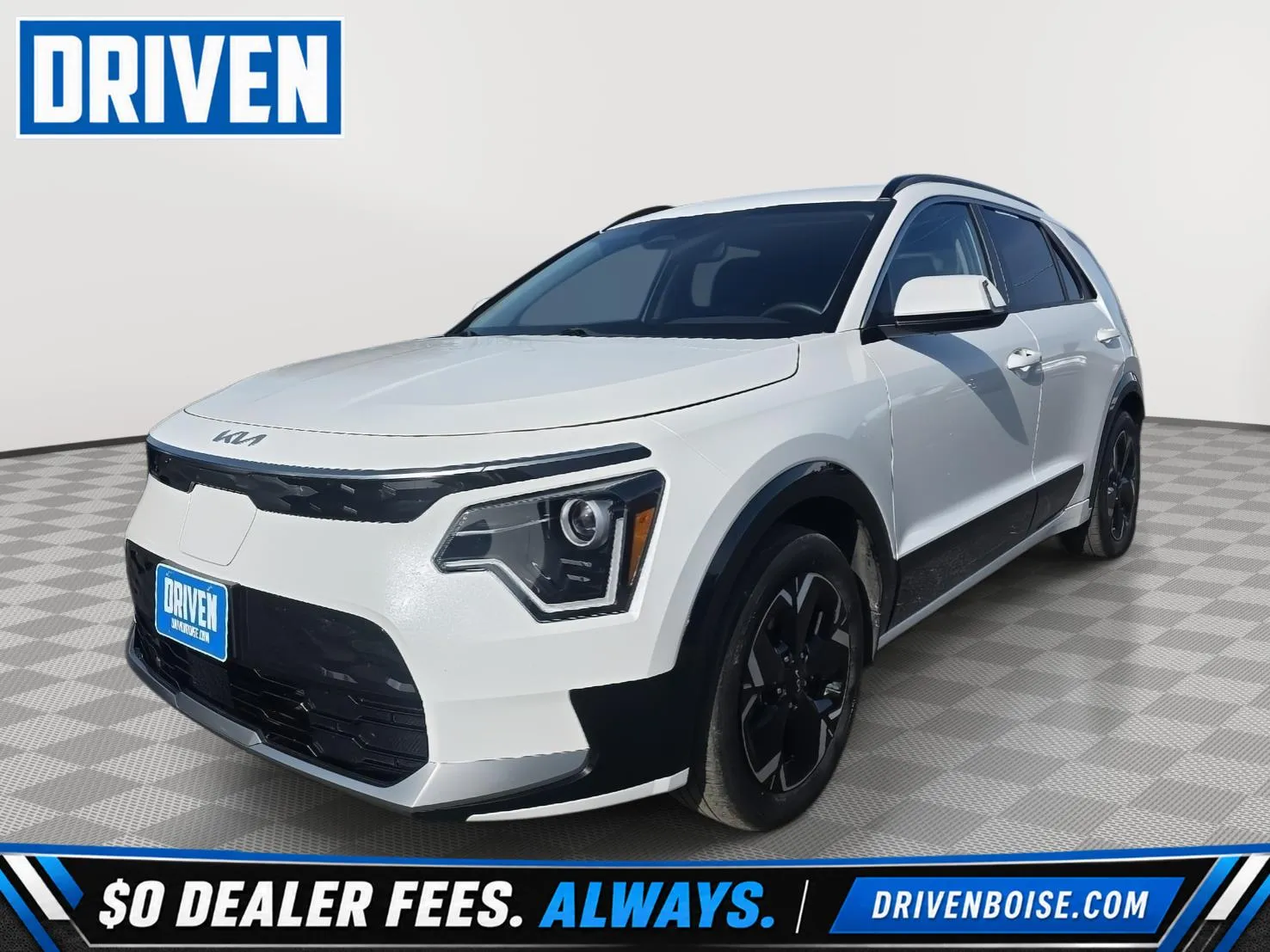
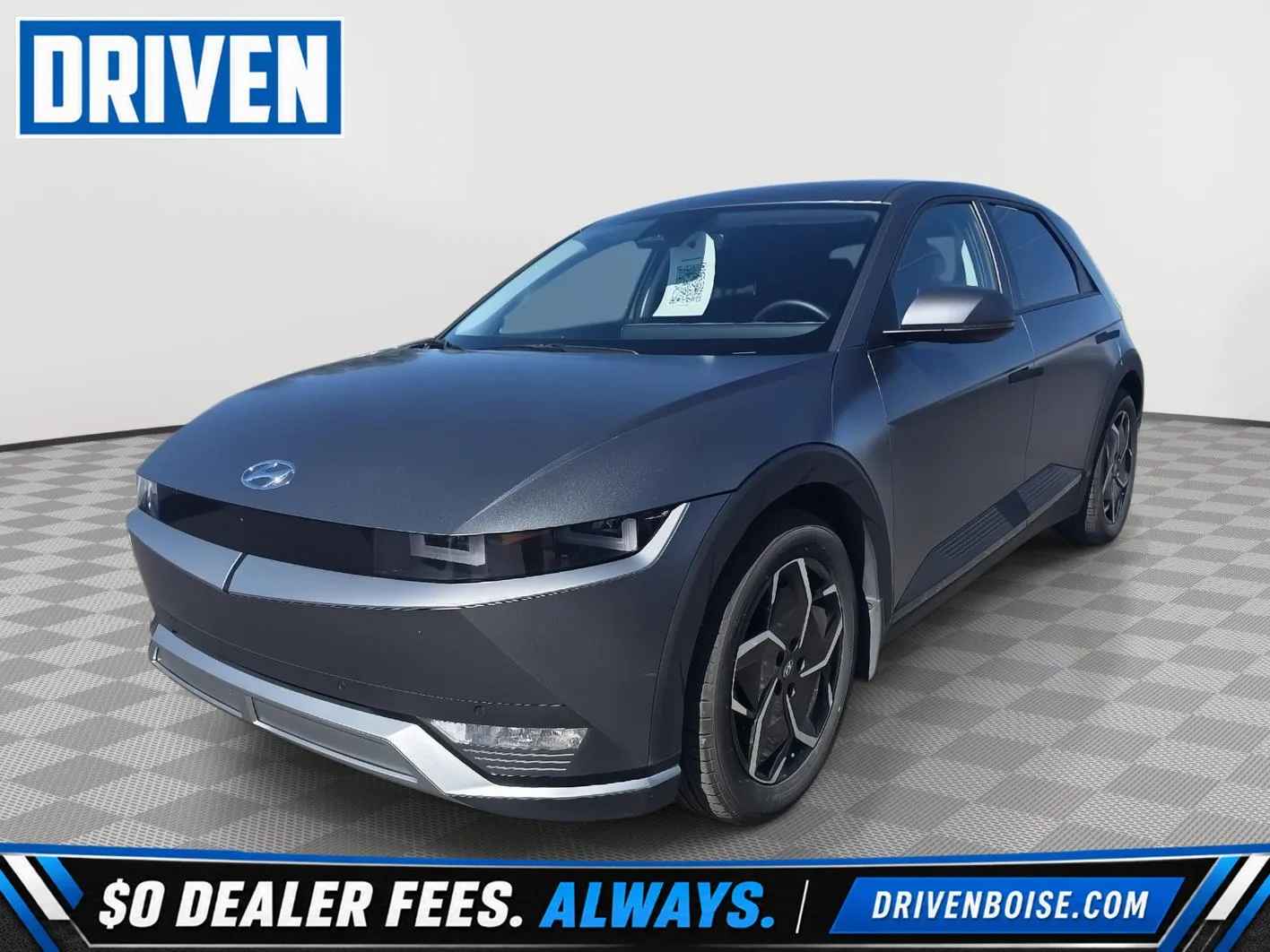
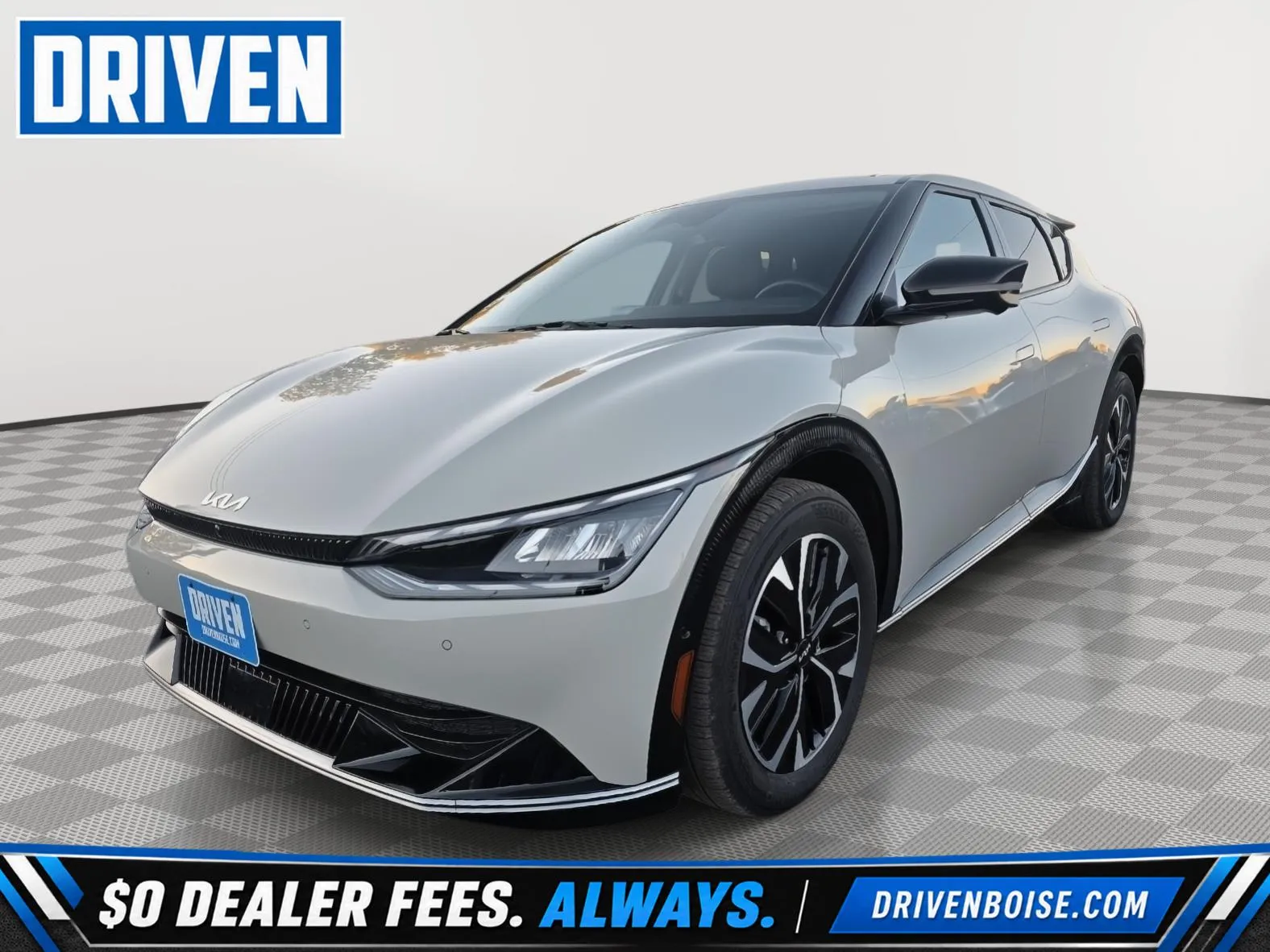
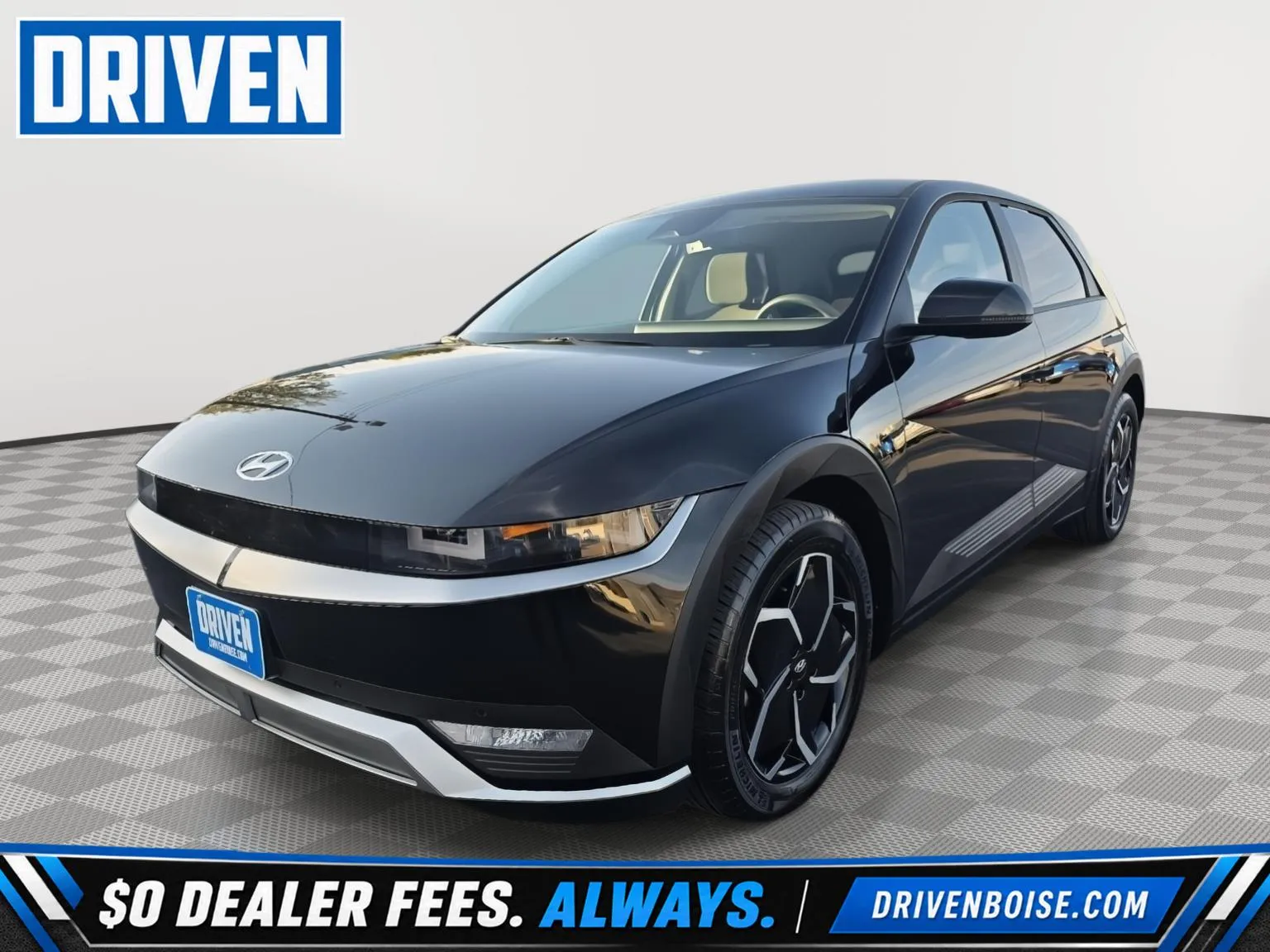
Whether you're shopping for a Tesla, Chevrolet, Hyundai, Kia, Ford, or another electric vehicle in Boise, here's what to look for.
1. Check the Battery Health
The high-voltage battery is one of the most important—and potentially expensive—components of an electric vehicle.
Fortunately, modern EV batteries are designed to last for years, and some capacity loss over time is normal.
The key is understanding how much usable battery capacity remains.
Battery health is often described as State of Health (SOH), which estimates the battery's current capacity relative to its original capacity.
For example, a battery with 90% SOH may have approximately 90% of its original usable capacity remaining.
Not every EV displays this information directly, and battery-health estimates can vary by diagnostic method.
What to look for:
- Available battery-health reports or manufacturer diagnostics
- Unusual battery-related warning messages
- Evidence of high-voltage battery repairs or replacement
- Remaining battery warranty coverage
- Whether the vehicle's observed range seems reasonable for its age and condition
Don't confuse the battery's current charge percentage with its overall health. A battery showing 100% charge isn't necessarily at 100% of its original capacity.
2. Understand the Vehicle's Real-World Range
One of the most common mistakes first-time EV buyers make is focusing exclusively on the advertised driving range.
EPA-estimated range is useful for comparing vehicles, but actual range depends on several factors.
These include temperature, driving speed, elevation, tire selection, heating and air-conditioning usage, and battery condition.
For Boise drivers, winter range deserves special consideration.
An EV with an EPA-estimated range of 250 miles may deliver significantly less in freezing weather, particularly during highway driving.
Before buying, ask yourself:
- How many miles do I typically drive each day?
- Will I be charging at home?
- Do I regularly travel to McCall, Sun Valley, or other Idaho destinations?
- How much additional range would make me comfortable during winter?
The best EV isn't necessarily the one with the longest advertised range. It's the one that comfortably handles your driving habits.
3. Know Which Charging Connector the Vehicle Uses
Not all electric vehicles use the same charging connections.
This is especially important when shopping for used EVs from different manufacturers and model years.
Here are the major connector types you'll encounter:
J1772
Common on many older non-Tesla EVs for Level 1 and Level 2 AC charging.
CCS1 (Combined Charging System)
Common on many non-Tesla EVs for DC fast charging, particularly vehicles manufactured before the industry's transition toward NACS.
NACS (Tesla-style connector)
Used by Tesla and increasingly adopted by other manufacturers. Access to Tesla Superchargers for non-Tesla vehicles depends on vehicle eligibility, adapters, and the particular charging station.
CHAdeMO
Found on certain older EVs, including many Nissan LEAF models. Compatible fast chargers can be less common, making local charging research especially important.
Before purchasing, make sure you understand which charging equipment your vehicle can use and whether any adapters are included.
4. Review the Remaining Battery Warranty
One advantage of buying a newer used EV is that some vehicles may still have substantial factory battery warranty coverage.
Many manufacturers originally offered high-voltage battery warranties lasting approximately eight years or 100,000 miles, although terms vary.
Some offer longer mileage limits or specific minimum battery-capacity guarantees.
Important questions include:
- When did the vehicle's original warranty begin?
- How many miles remain under warranty?
- Is the battery warranty transferable?
- Does the warranty cover capacity degradation, defects, or both?
- Has the vehicle's title or history affected warranty eligibility?
Always verify coverage using the vehicle's VIN and the manufacturer's warranty terms.
5. Check the Charging Speed, Not Just the Battery Size
Two electric vehicles with similar battery capacities can have very different charging experiences.
For example, one EV may charge from 10% to 80% in approximately 25 minutes, while another could require nearly an hour under comparable conditions.
This depends on the vehicle's maximum DC charging power, battery architecture, charging curve, and temperature-management system.
If you plan to take frequent road trips, charging speed may be just as important as driving range.
If you primarily charge at home overnight, fast-charging performance may be less of a priority.
6. Inspect the Tires, Brakes, and Suspension
Electric vehicles typically require less routine powertrain maintenance than gasoline vehicles, but they're not maintenance-free.
EVs can be relatively heavy, and their immediate torque can contribute to tire wear, particularly with aggressive driving.
During your inspection, pay attention to tire tread depth, uneven wear, suspension noises, steering alignment, and brake condition.
Regenerative braking reduces wear on traditional brake pads, but the friction brakes still need to operate properly. Corrosion can also develop when they're used infrequently.
A professional inspection is always a good idea, even on a relatively new used EV.
7. Check the Vehicle's Software and Technology
Modern electric vehicles rely heavily on software.
Some manufacturers regularly release updates that improve vehicle functionality, charging performance, or other features.
Before buying, check that the touchscreen and infotainment system work properly, the vehicle can receive applicable software updates, and important features function as expected.
Also ask whether features such as connected services, advanced driver assistance, or remote app access require subscriptions.
Some features may not transfer automatically to a second owner.
8. Research the Vehicle's History
Just like any used vehicle, an EV should have its history reviewed.
Look for accident reports, title issues, recalls, prior ownership, and available service records.
With EVs, it's also worth checking for documented high-voltage battery repairs, flood damage, or significant underbody damage.
A clean vehicle-history report is helpful, but it doesn't guarantee that a vehicle has never experienced damage.
9. Don't Overlook the Benefits of Newer Off-Lease EVs
One of the most interesting opportunities in today's used EV market is the availability of newer vehicles returning from leases.
These vehicles can offer an appealing combination of modern technology, remaining factory warranty coverage, and pricing below their original new-vehicle cost.
Some may also have relatively low mileage.
For Boise buyers, that can mean access to newer electric SUVs, sedans, and crossovers that might previously have been outside their budget.
Of course, every vehicle should still be evaluated individually based on condition, history, battery health, and price.
10. Take a Test Drive
Finally, don't skip the test drive.
EVs feel different from traditional gasoline vehicles, especially if you've never driven one before.
Pay attention to the smooth acceleration, regenerative braking, cabin noise, visibility, seating comfort, and overall driving experience.
Try different driving modes if available.
Make sure you're comfortable with the vehicle's controls and charging features before making a decision.
Your Used EV Buying Checklist
Take this checklist shopping
- Review available battery-health information
- Estimate real-world and winter driving range
- Confirm charging connector and adapter compatibility
- Verify remaining factory battery warranty
- Research DC fast-charging performance
- Inspect tires, brakes, and suspension
- Check software, apps, and subscription features
- Review vehicle history and recalls
- Compare pricing with similar used EVs
- Complete a thorough test drive
Find Your Next Used EV at Driven in Boise
At Driven, we're excited about the opportunities available in the used electric vehicle market.
From practical daily commuters to well-equipped electric SUVs, today's used EV selection offers some compelling choices.
Our focus is on helping customers find quality used vehicles that fit their needs, driving habits, and budgets.
If you've been curious about making the switch to electric, there's never been a better reason to explore what's available.
Visit DrivenBoise.com to browse our current inventory and see which electric vehicles are available today.